Leading In-Home Behavior Modification & Private Dog Training in Oklahoma

Best Dog Obedience Training in Edmond

Best dog obedience training in Edmond and OKC - Services

Why Your Edmond Dog Needs Obedience Training—And Why It Starts With You

Every year, countless dogs in Oklahoma communities like Edmond struggle with basic behaviors—jumping on guests, pulling on leashes, or ignoring simple commands—simply because they lack consistent, structured training. Dog obedience isn’t just about teaching “sit” or “stay”; it’s the foundation for clear communication, safety, and a happier household. With suburban backyards, busy parks, and bustling family environments, pet owners in Edmond face unique challenges that make reliable obedience training essential.

Without proper guidance, even well-meaning dogs can develop habits that compromise their relationships with family members and stress household dynamics. This guide will walk you through the core principles behind effective obedience training, including how to:

  • Establish leadership without intimidation
  • Reinforce positive behaviors using real-life reinforcement techniques
  • Navigate common training obstacles like distractions, fear, and reactivity
  • Use mental stimulation to reduce boredom-based misbehavior

You’ll learn practical strategies that fit seamlessly into daily routines—no matter if you’re training a high-energy puppy in a Norman home or a rescue dog adjusting to suburban life. By investing in consistent, fear-free obedience training, you’re not just shaping better behavior—you’re building a deeper, more trusting bond with your dog. Let’s explore how to get started the right way.

What to Look for in a Quality Dog Training Program

Choosing the right dog training program in Edmond means more than convenience—it’s about ensuring your dog receives effective, safe, and respectful instruction. Start by evaluating the trainer’s credentials: certified professionals with verifiable education in canine behavior are more likely to implement science-based, balanced training methods. Avoid trainers who rely solely on punishment-based techniques, as modern, fear-free approaches yield stronger, longer-lasting results.

Safety standards are equally important. A reputable program enforces small class sizes, proper dog-to-trainer ratios, and clean, well-maintained facilities. Look for structured training environments—whether in-home or group classes—that adapt to different temperaments and energy levels.

It’s also wise to ask about training philosophy. Does the program emphasize positive and balanced reinforcement while also addressing reactivity and leash reactivity with clear leadership strategies? The best programs support mental stimulation and confidence-building, helping dogs thrive in real-world scenarios around Edmond, from parks to shopping districts.

Always schedule an observation session. Seeing a trainer in action with dogs similar to yours gives invaluable insight into their methods, consistency, and ability to foster trust and communication.

7 Key Factors to Consider When Choosing Dog Obedience Training in the OKC Metro

Selecting the right obedience program for your dog in Edmond means more than just picking the closest option. With so many training styles and structures available, it’s essential to evaluate what truly aligns with your dog’s temperament and your lifestyle. Here are the top factors to guide your decision:

  1. Training Methodology Matters  
    Look for programs that use balanced, fear-free techniques—these promote long-term behavioral change without causing stress or anxiety. Avoid trainers who rely solely on correction-based tools; instead, choose those emphasizing positive reinforcement paired with clear communication.
  2. Certified and Experienced Trainers  
    Ensure instructors have professional credentials and hands-on experience working with a range of breeds and behavioral issues. A proven background in canine behavior increases the likelihood of effective, safe training.
  3. Program Customization  
    Every dog learns differently. Seek programs that offer personalized plans addressing specific challenges like reactivity, leash pulling, or focus issues—especially important in suburban neighborhoods with frequent foot and pet traffic.
  4. In-Person and Real-World Training  
    Classroom drills help, but real-world practice seals the learning. Programs that include outdoor or public sessions—like park visits or neighborhood walks—build reliability outside controlled environments.
  5. Local Knowledge and Accessibility  
    Choose a provider familiar with the city’s parks, trails, and common urban distractions. Proximity to your home also encourages consistency, a critical element in successful training.
  6. Clear Progress Tracking and Communication  
    A good program keeps you informed with measurable milestones and constructive feedback. Regular updates help you reinforce skills at home and understand your dog’s development.
  7. Flexible Scheduling and Ongoing Support  
    Life in the city gets busy. Look for trainers offering evening or weekend sessions and post-program guidance to maintain progress long after the final lesson.

See Real Progress: What You Can Expect from Dog Obedience Training

Enrolling your dog in a structured obedience program sets the stage for meaningful, lasting change—especially when training aligns with real-life challenges faced by pet owners in Edmond. Follow this step-by-step guide to understand how consistent training leads to measurable results.

  1. Week 1–2: Foundation Building  
    Establish basic commands like sitstaycome, and heel. Use short, daily sessions at home and quiet outdoor spaces like Edmond’s neighborhood parks. Focus on positive reinforcement—treats, praise, and play—to build confidence and attention.
  2. Week 3–4: Distraction-Proofing  
    Gradually introduce low-level distractions: other people, bikes, or birds in local areas like Frontier City or Arcadia Lake trails. Practice commands in these environments to strengthen focus and impulse control.
  3. Week 5–6: Real-World Application  
    Take training on the go. Work on leash manners during walks in downtown Edmond or while running errands. Your dog should begin responding reliably, even with increased noise and activity.
  4. Week 7–8: Behavior Refinement  
    Address common issues like jumping, barking, or pulling. Use structured routines to reinforce calm behavior at home and in public.


Consistent practice leads to reliable obedience, improved safety, and stronger bonding—key outcomes for every Edmond dog owner.

Common Questions About Dog Obedience Training in Edmond

What basic commands should my dog learn in obedience training?

Every well-behaved dog should master foundational commands like sitstaycomedown, and heel. These commands form the backbone of reliable behavior both at home and in public. In Edmond, where parks and outdoor spaces are popular for pet owners, having your dog respond consistently—even with distractions—is essential. Trainers often use positive reinforcement paired with structured repetition to ensure long-term retention.

How long does it take to train a dog in Edmond?

Training duration varies based on your dog’s age, breed, and temperament. Most dogs begin showing improvement within 4–6 weeks of consistent sessions. Group classes typically run 6–8 weeks, while private training allows for a customized pace. Urban environments and shared green spaces in Edmond mean dogs need real-world exposure, so in-person training often includes local parks and walking trails.

Can older dogs be trained effectively?

Absolutely. Dogs of any age can learn new behaviors. Older dogs may take slightly longer due to established habits, but with patience and a balanced approach, they can overcome issues like reactivity or anxiety. Mental stimulation is just as important as physical exercise, especially in home environments.

What’s the difference between group and private dog training?

Group classes build socialization skills and are cost-effective, making them ideal for puppies and basic obedience. Private sessions offer personalized attention for behavioral challenges like leash pulling or fear-based aggression. Many pet owners choose a hybrid model—starting with group classes and adding private coaching for targeted issues.

Is fear-free training effective for obedience?

Yes. Fear-free methods focus on building confidence and trust rather than intimidation. These techniques reduce stress and create longer-lasting results. When dogs understand expectations without fear, they’re more likely to obey consistently in various environments—including busy areas around Edmond.

How do I choose the right trainer near me?

Look for certifications, training methodologies, and real-life applicability. A good trainer should explain their approach clearly, emphasize safety, and tailor programs to your dog’s needs. In-person sessions that incorporate specific settings—like sidewalks, trails, and pet-friendly stores—are especially valuable for real-world reliability.

What role does the owner play in obedience training?

Owner involvement is critical. You’re your dog’s primary leader, and consistency at home reinforces what’s learned in sessions. Trainers often assign daily practice exercises and educate owners on reading canine body language, managing distractions, and applying correct timing with cues and rewards.

Your Next Steps Toward a Well-Trained Dog at Home

Finding the right dog obedience training in Oklahoma comes down to understanding your dog’s unique behavioral needs and matching them with a program built for real-world results. As you’ve learned, effective training goes beyond simple commands—it addresses reactivity, anxiety, and obedience in everyday environments. Look for programs that use balanced methods, combining positive reinforcement with clear leadership principles to foster long-term success.

When evaluating options, prioritize trainers who offer in-home, public-access, or group-session formats, allowing your dog to learn in varied settings like parks, stores, and neighborhoods across Edmond. These real-life scenarios are critical for building reliable behavior. Ask about training philosophies—ensure they promote fear-free, consistent techniques that strengthen the human-canine bond.

Here’s how to take action:

  • Assess your dog’s specific challenges—Is it leash pulling, barking, or socialization?


  • Verify training methods—Avoid harsh or inconsistent models in favor of structured, empathetic approaches.


  • Choose local, hands-on programs—OKC’s diverse urban and suburban spaces provide ideal backdrops for practical learning.


The best training doesn’t just teach tricks—it transforms daily life. Start today by exploring programs that bring lasting behavioral change right where you live.

Author

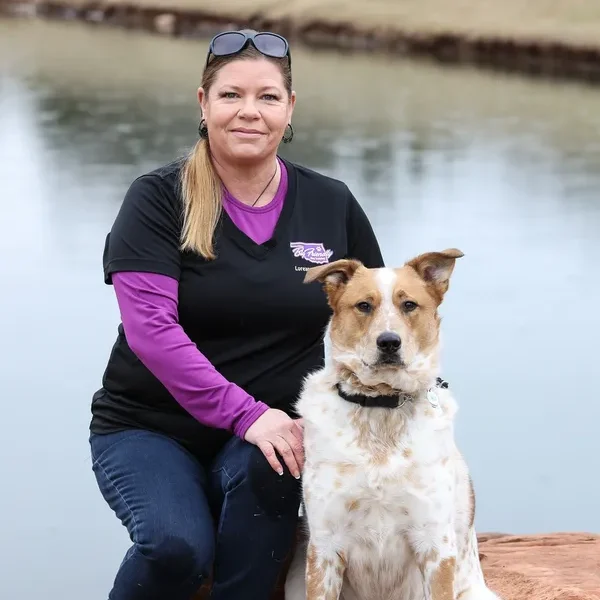
  • Loreanne Cowan behavior dog trainer square
    AKC CGC, Urban Canine, Trick Dog Evaluator - Pet Professional Guild Member - Dog Bite Prevention Educator

    Before stepping into professional dog training, Loreanne spent years as a veterinary technician and ran her own successful pet-sitting business. That mix of animal health and in-home care gave her a deep understanding of canine behavior, stress triggers, and the emotional needs of dogs — at home and out in the community.

    Today, she brings all of it into every session. Clients know her for her bold honesty, deep compassion, and unwavering dedication to helping both ends of the leash succeed. She doesn’t just train dogs — she coaches people, builds trust, and creates lasting transformation.